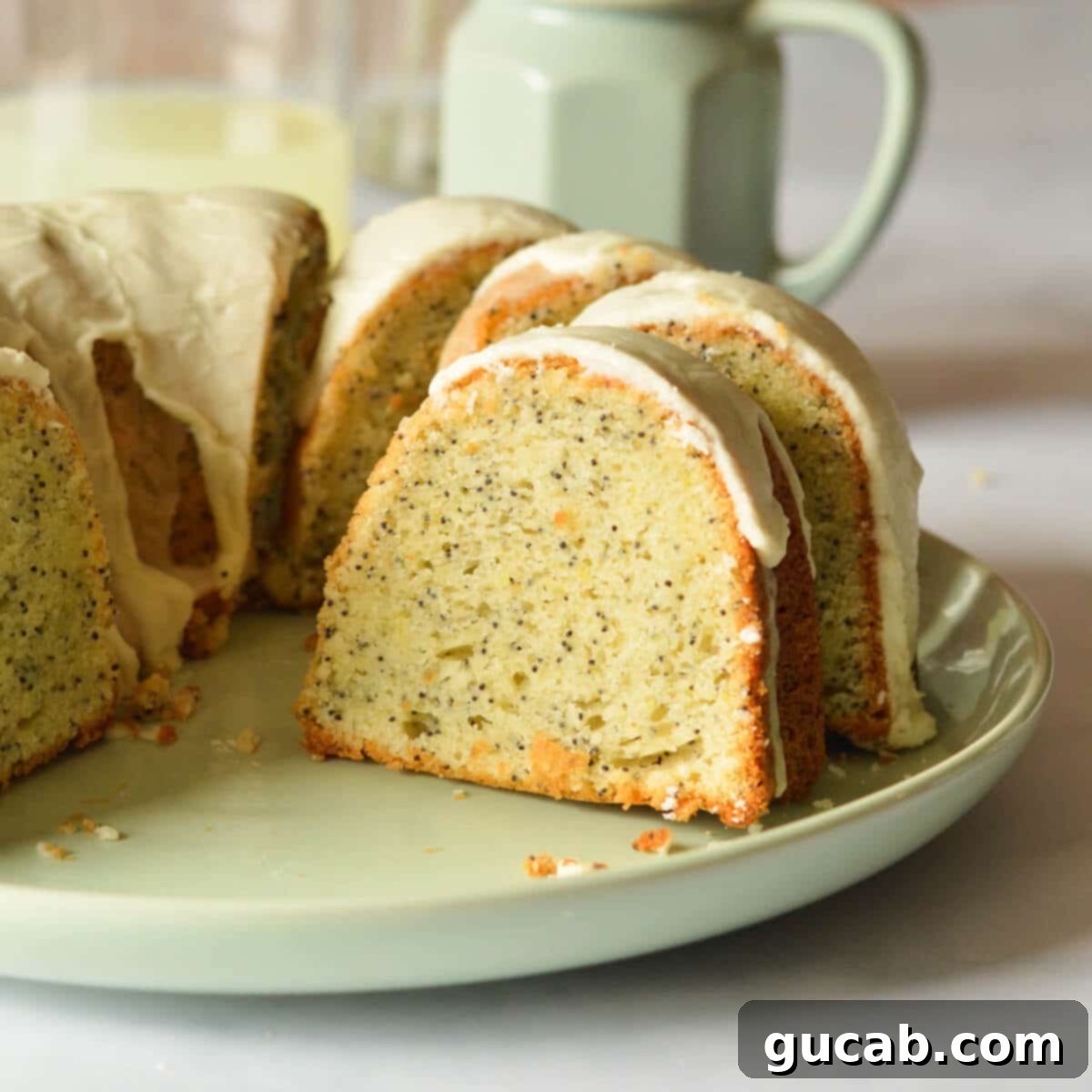
The Best Gluten-Free Lemon Poppyseed Cake Recipe
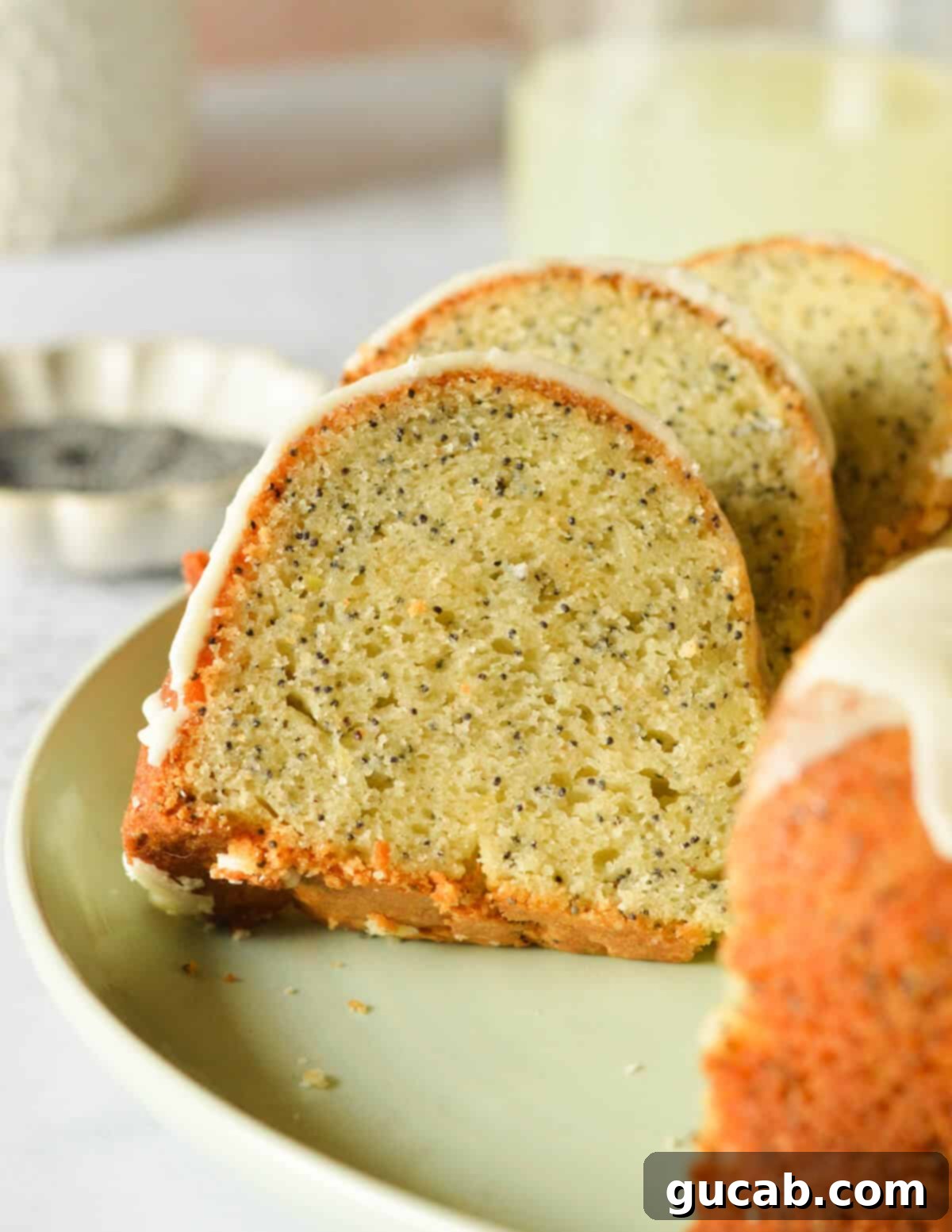
This gluten-free lemon poppyseed cake is a delightful treat that’s incredibly soft and delicious! It boasts a moist and light texture with a perfectly balanced sweetness, making it an ideal dessert for spring or any time of year.
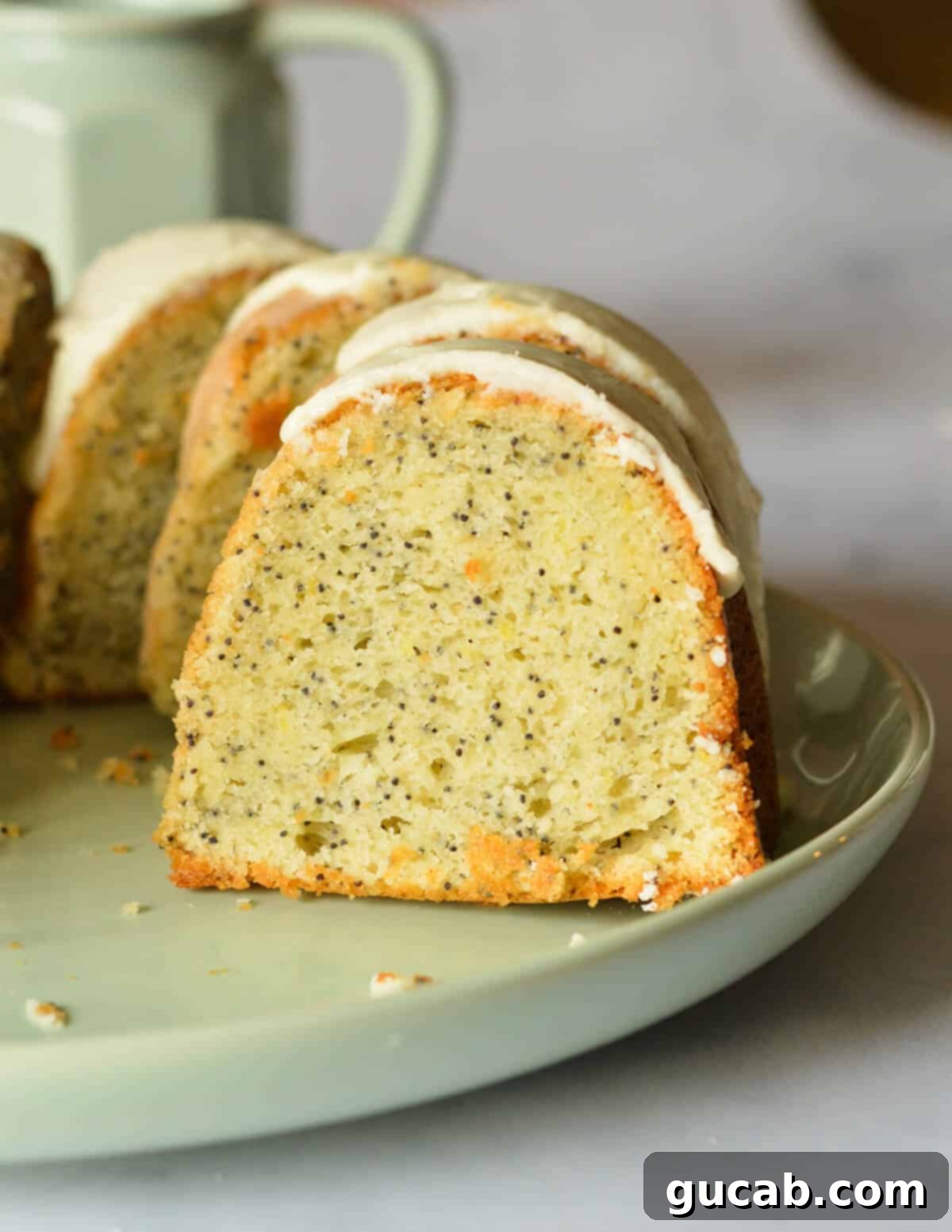
I’m completely obsessed with this gluten-free lemon poppyseed cake, and so is my family! Finding a dessert that everyone agrees on can be a challenge, so this recipe feels like a real victory. This cake offers everything you crave: a tender crumb, a light and airy texture, and plenty of moisture. Plus, the tangy lemon glaze on top takes it to another level of deliciousness.
One of my biggest pet peeves is dense, dry gluten-free desserts. That’s why I was determined to create a gluten-free cake that had a tender crumb, a light texture, and stayed perfectly moist. After several attempts, I finally nailed it with this recipe!
This cake is everything a bundt cake should be. The bright lemon flavor combined with the poppyseed crunch makes each bite irresistible. I truly can’t get enough of it!
(Looking for other gluten-free cake options? This gluten-free sour cream pound cake is also a winner!)
Key Ingredients for Gluten-Free Lemon Poppyseed Cake
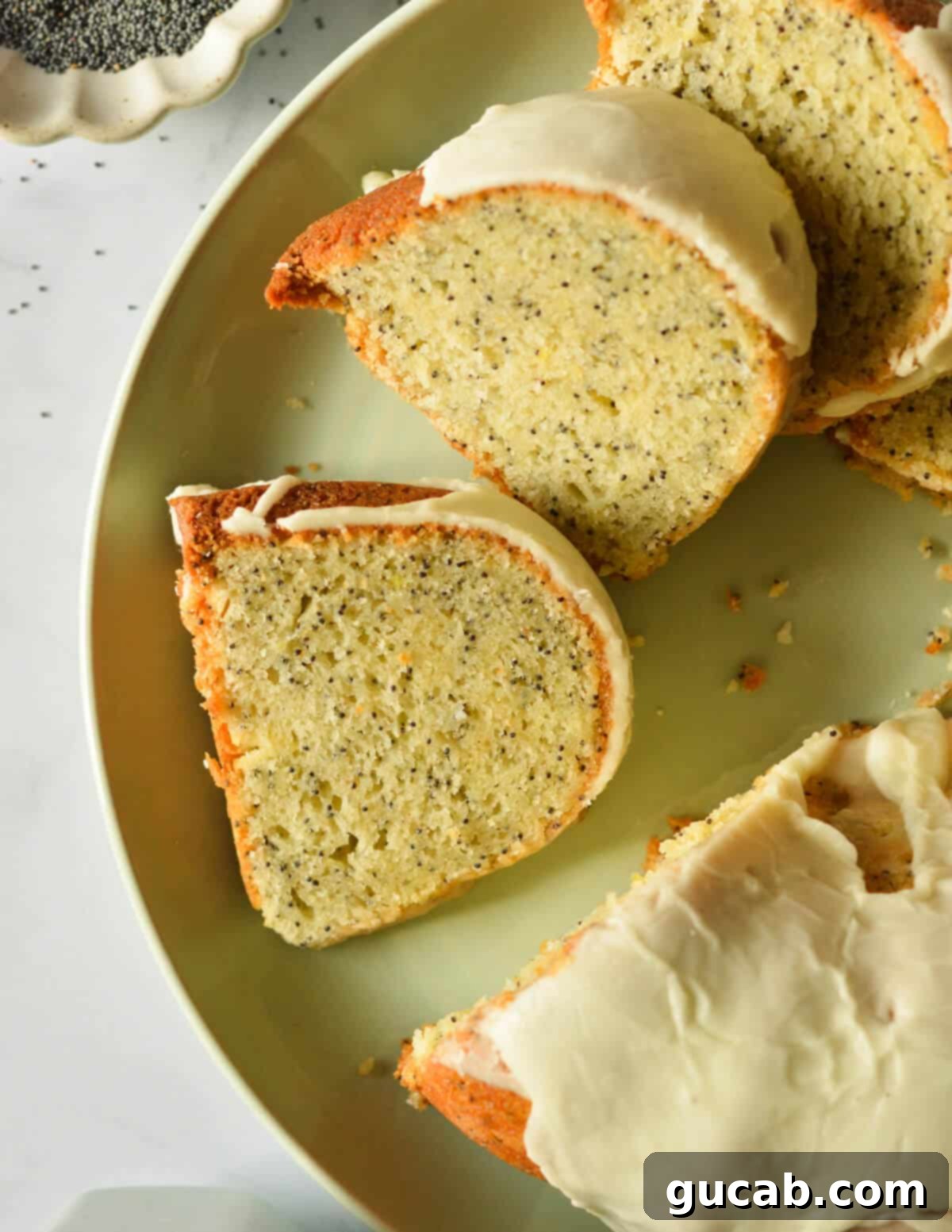
Let’s dive into the key ingredients that make this gluten-free lemon poppyseed cake so amazing. Using high-quality ingredients is crucial for achieving the best flavor and texture.
- Butter: I prefer unsalted butter in this recipe to control the salt level. If you only have salted butter, that’s perfectly fine – just omit the kosher salt in the recipe to prevent the batter from being too salty. To save money, I buy butter in bulk at Costco and freeze it. Did you know butter can last for up to six months in the freezer?
- Egg Whites: Don’t skip the egg whites! This recipe uses both whole eggs and egg whites. The extra egg whites are essential for creating a lighter texture and helping the cake rise beautifully. They add airiness and contribute to the tender crumb.
- Gluten-Free All-Purpose Flour: The right gluten-free flour blend is essential for success. I highly recommend using Bob’s Red Mill’s 1:1 Gluten Free Baking Flour (the blue bag). It’s readily available at Target, Walmart, or on Amazon. I’ve had excellent results with this brand for various gluten-free cakes and muffins. Avoid using a gluten-free flour blend that you haven’t tried before, as some brands can have a less-than-desirable taste or texture.
- Lemon: Fresh lemons are a must for this recipe! I recommend having at least three lemons on hand to ensure you have plenty of zest and juice. Fresh lemon juice provides a vibrant, tangy flavor that bottled juice simply can’t replicate. The fresh lemon is essential to the overall success of the cake, just as it is in gluten-free lemon muffins!
- Whole Milk: For optimal results, use whole milk. The higher fat content contributes to a richer, more tender cake. However, low-fat or reduced-fat milk will also work well. I haven’t tested this recipe with alternative milks (such as oat, soy, or almond), but based on my experience, using them may result in a slightly denser texture. If you do use an alternative milk, try adding a tablespoon of lemon juice to it and letting it sit for a few minutes, as this helps thicken it.
- Poppyseeds: These tiny seeds add a delightful nutty flavor and a subtle crunch to the cake. You can usually find poppyseeds in the spice aisle of your grocery store.
Step-by-Step Instructions for the Perfect Cake
Follow these detailed instructions to create your own delicious gluten-free lemon poppyseed cake:
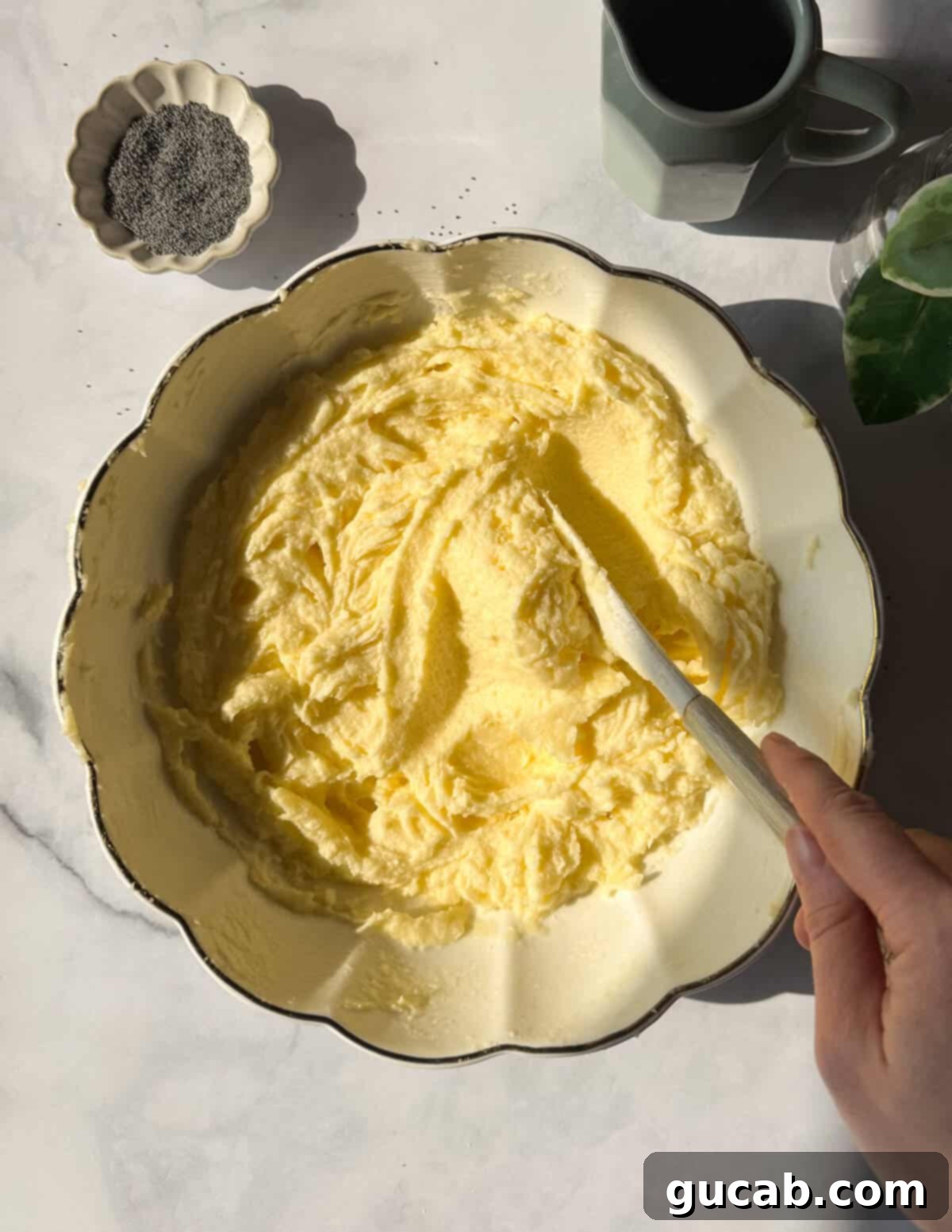
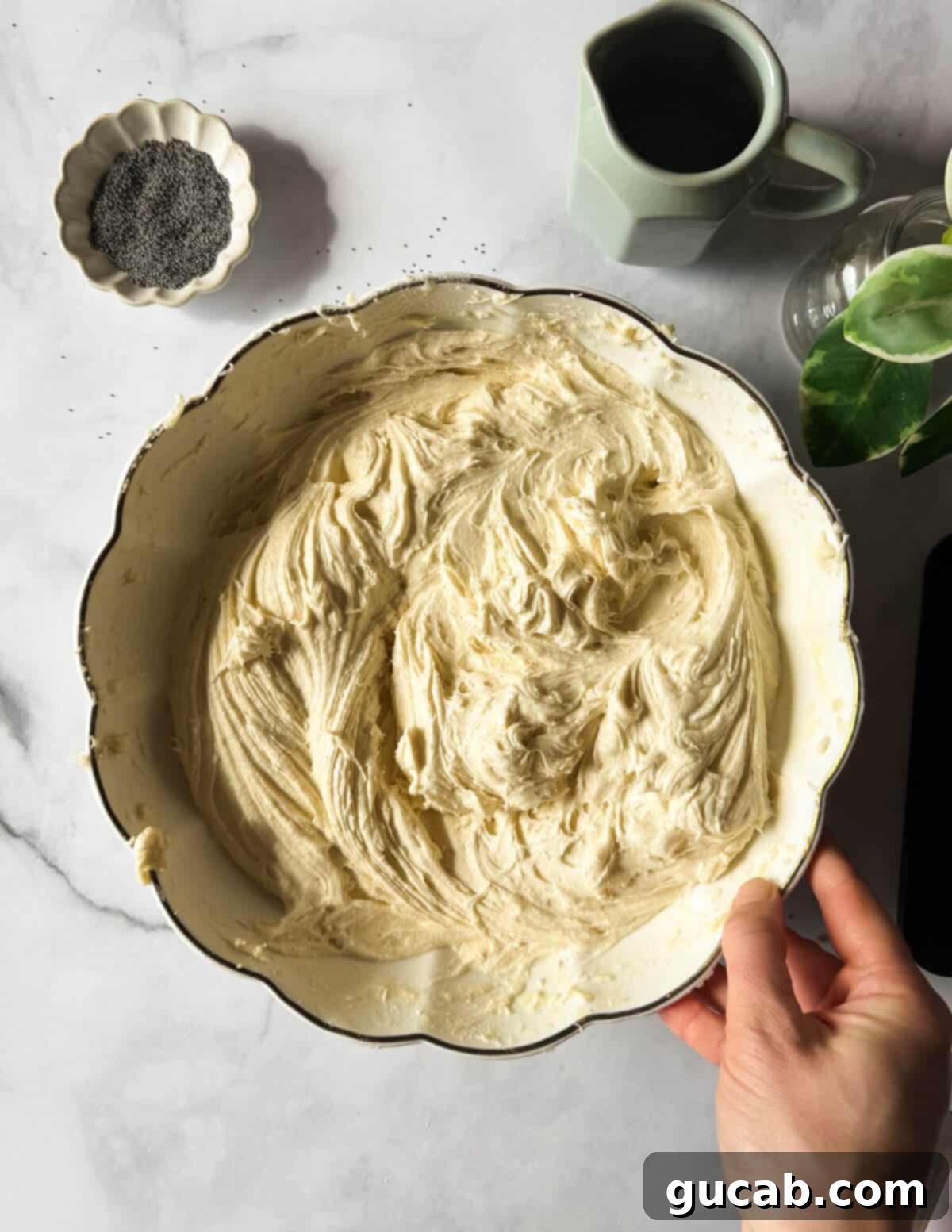
- Cream the butter and sugar: This means beating the butter and sugar together until the mixture becomes light, fluffy, and pale yellow in color. Make sure your butter is softened, as this makes the process easier. It should take about 3 minutes with a stand mixer.
- Add the eggs: Add the eggs one at a time, beating well after each addition until fully combined. This ensures that the eggs are properly emulsified into the batter, contributing to a smooth and even texture.
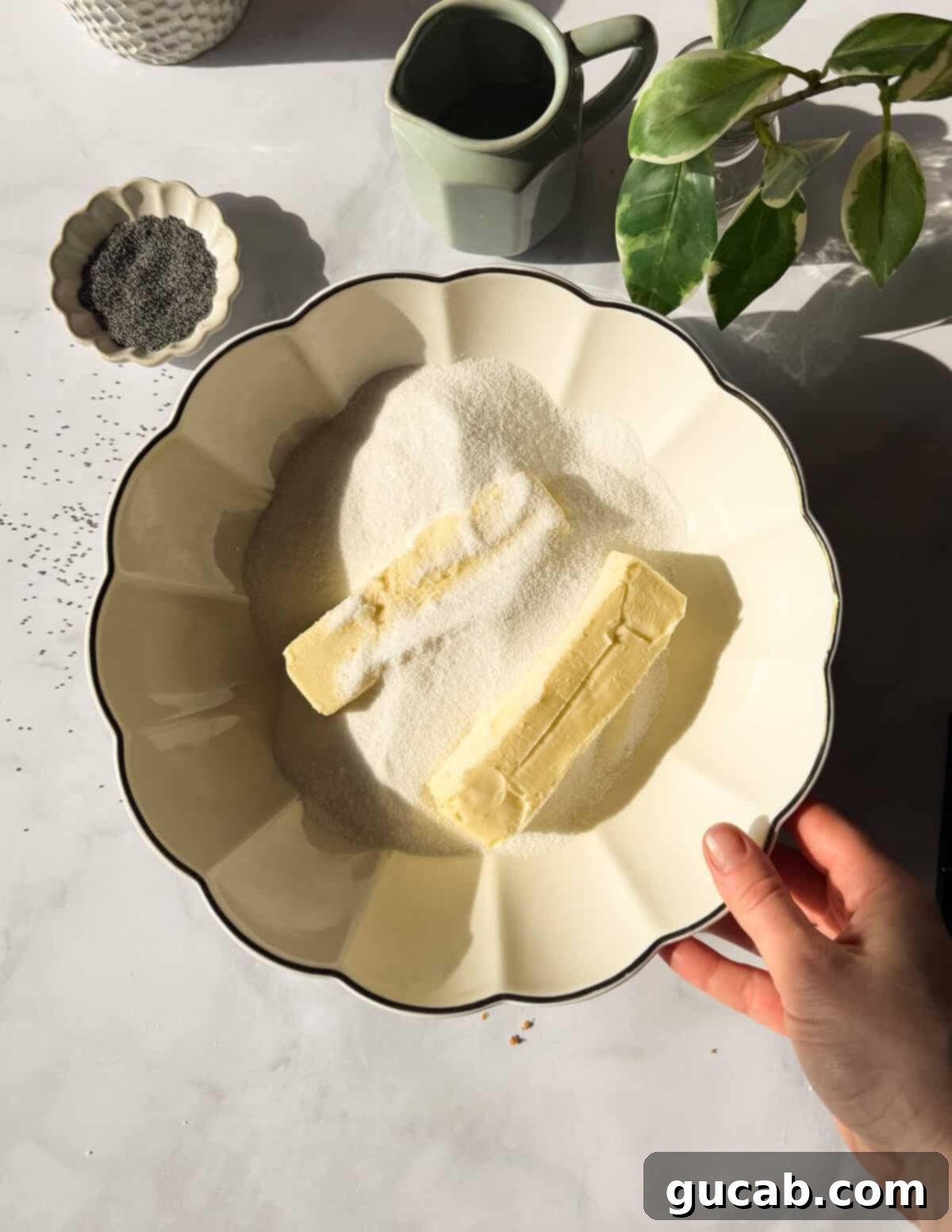
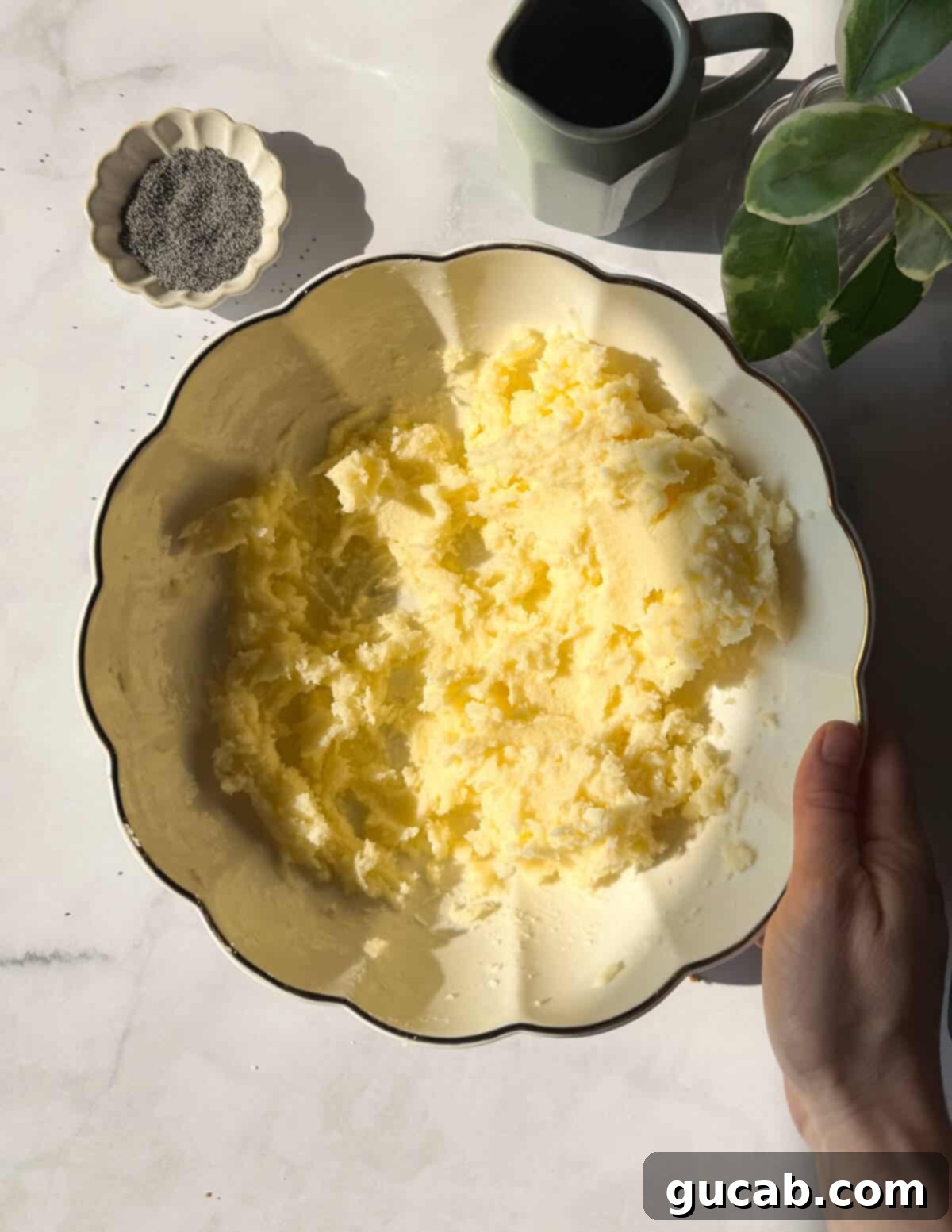
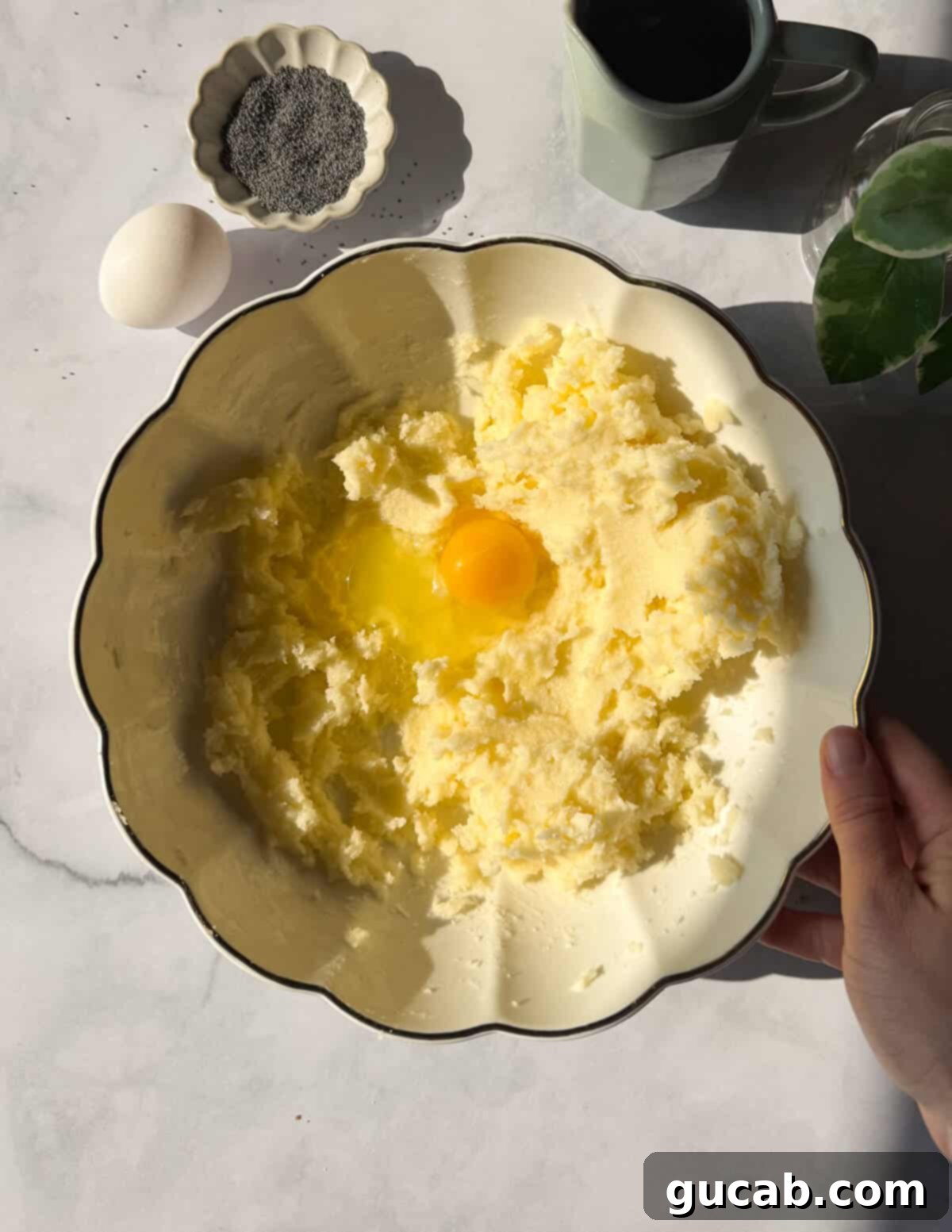
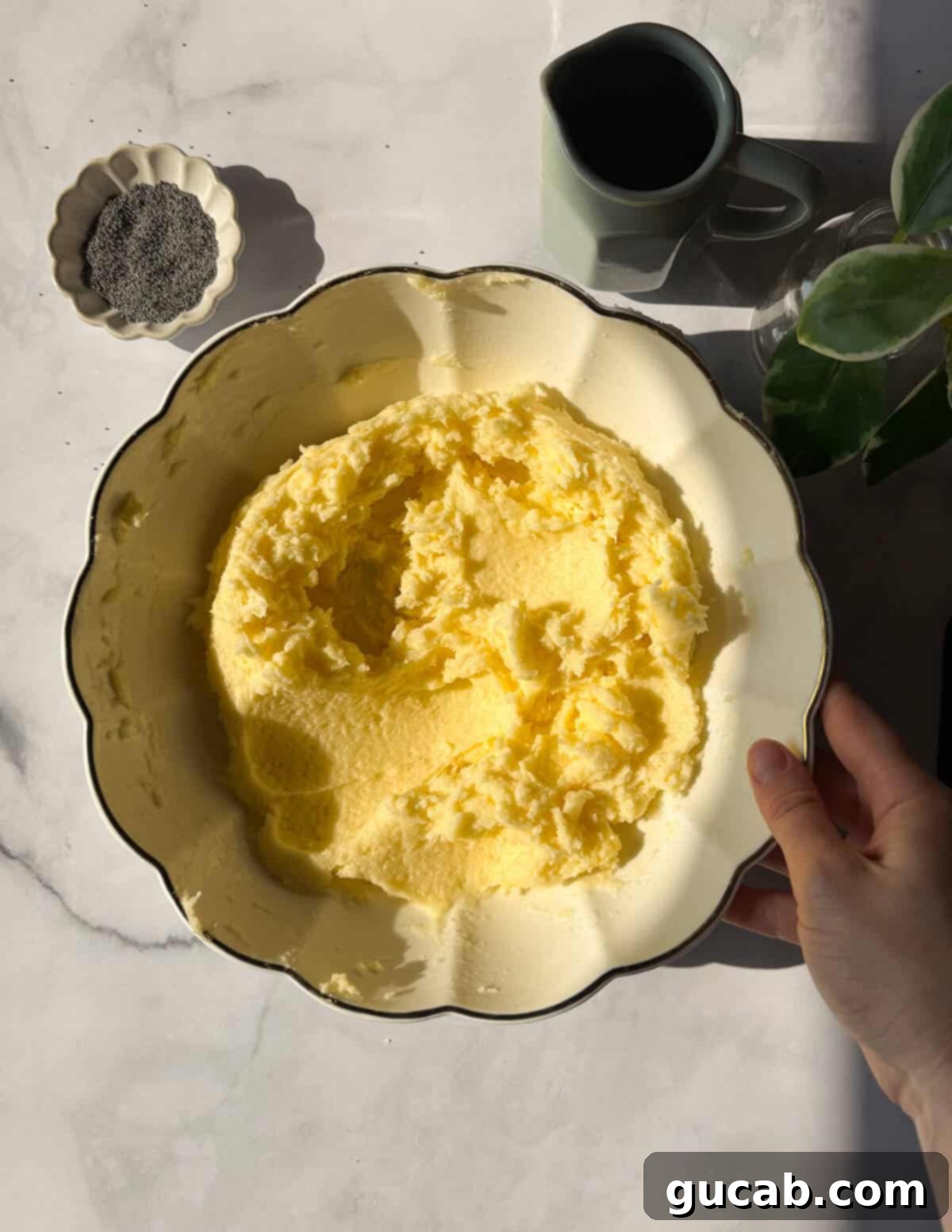
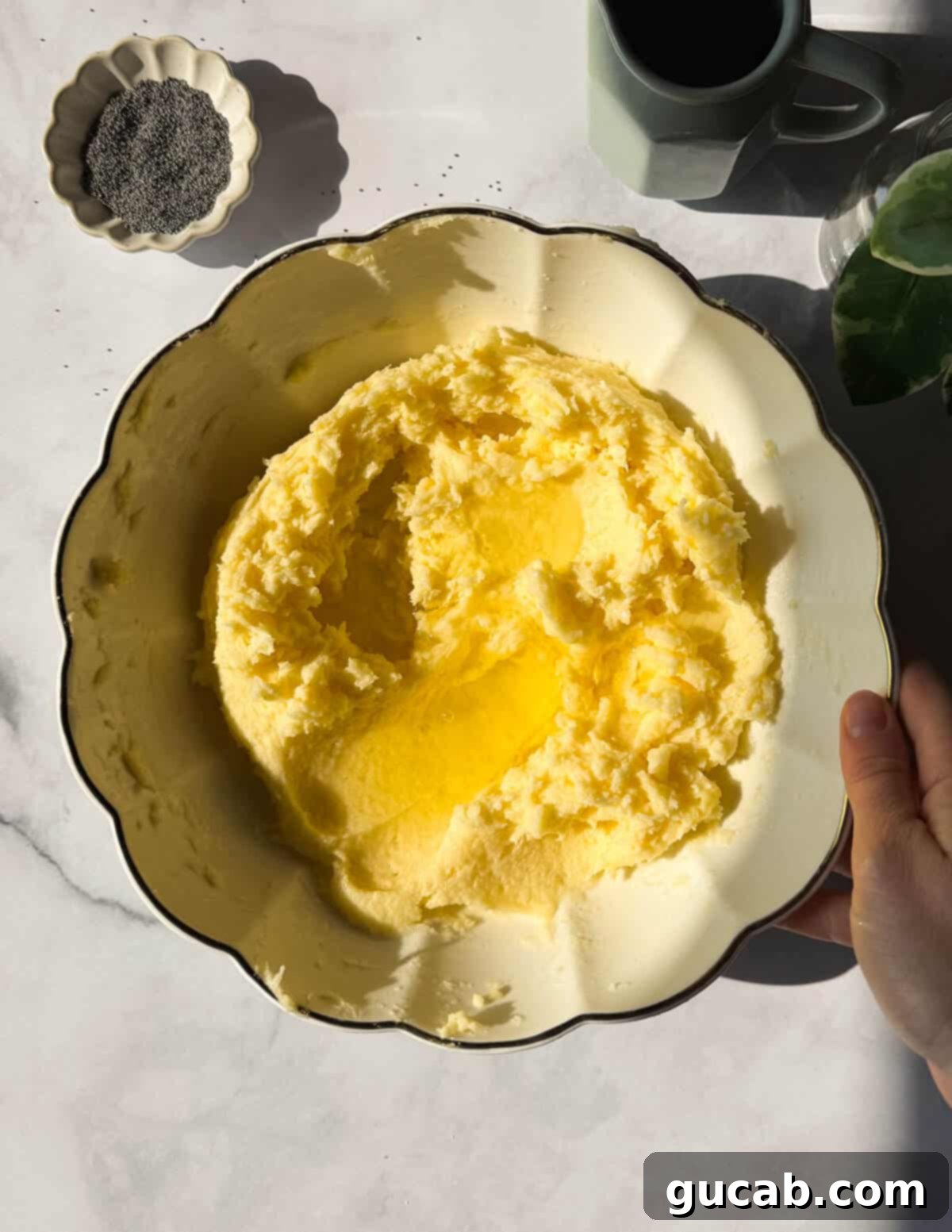
- Add the egg whites: Beat in the egg whites until the mixture is smooth and creamy. Don’t be alarmed if the mixture looks curdled at first – just keep beating until it comes together and becomes light and fluffy! This step is key to achieving that perfect airy texture.
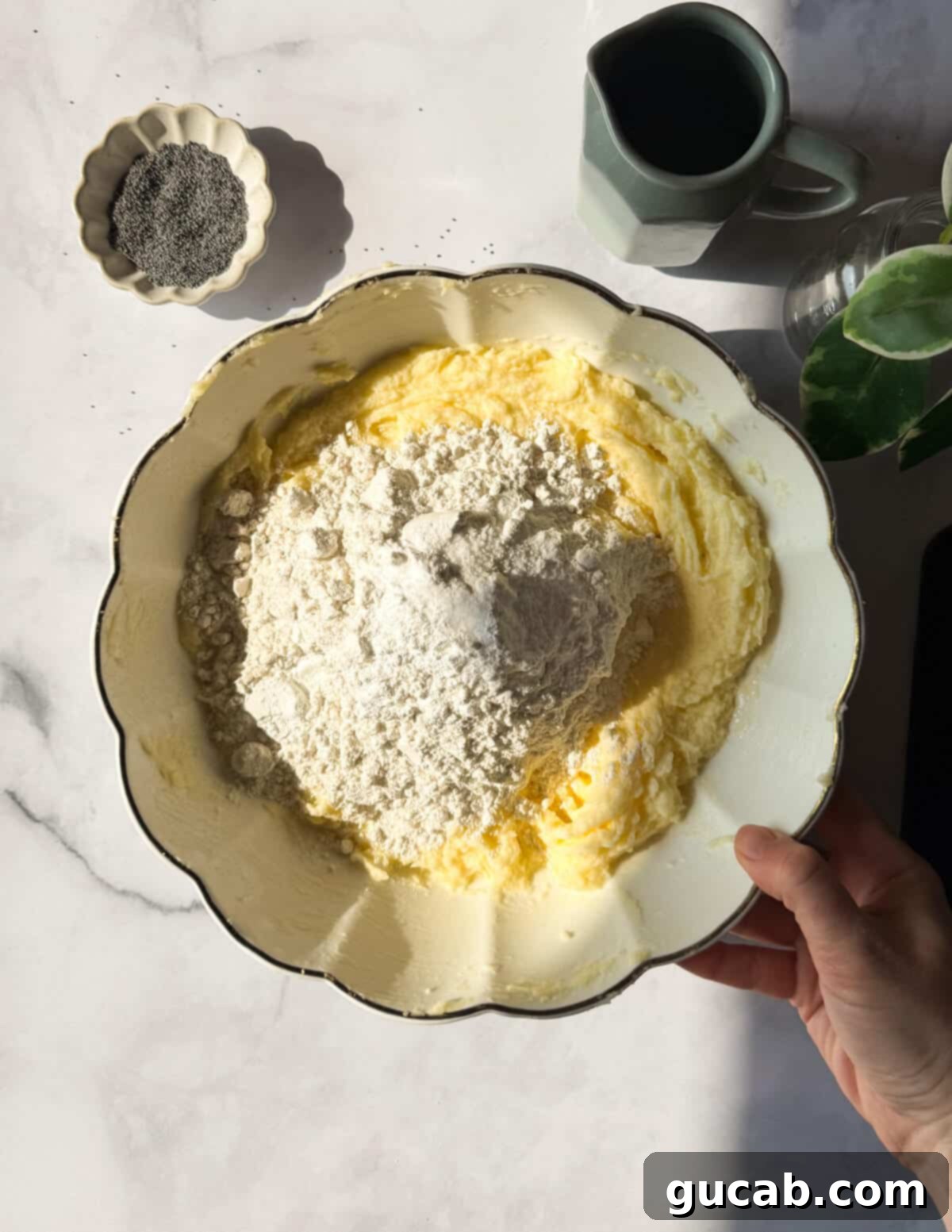
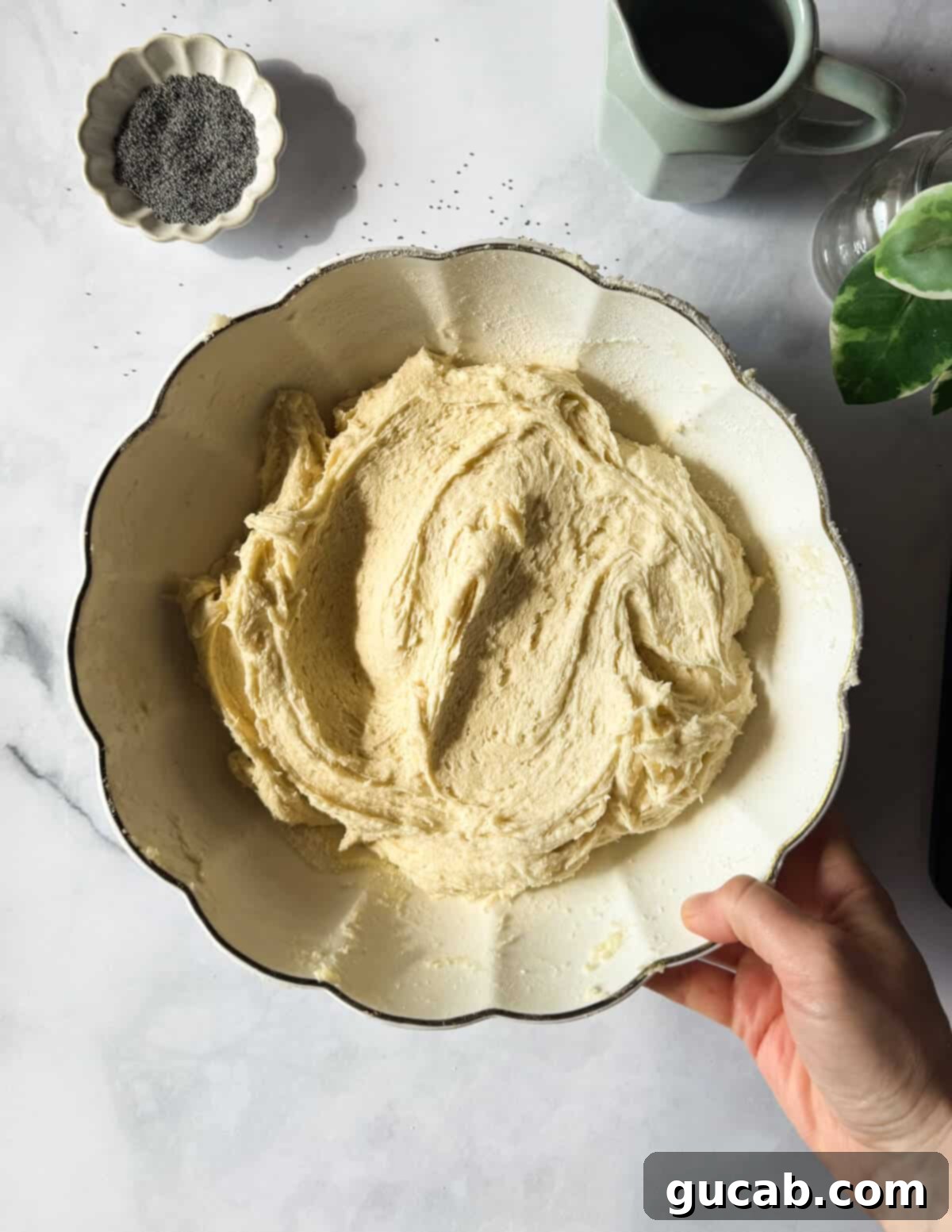
- Add the dry ingredients: Gradually add the gluten-free flour blend, baking powder, baking soda, kosher salt, and lemon zest to the mixture. Begin mixing on low speed to prevent the flour from puffing out of the bowl and creating a mess. Continue beating until the dry ingredients are fully combined and the batter becomes thick. Be careful not to overmix.
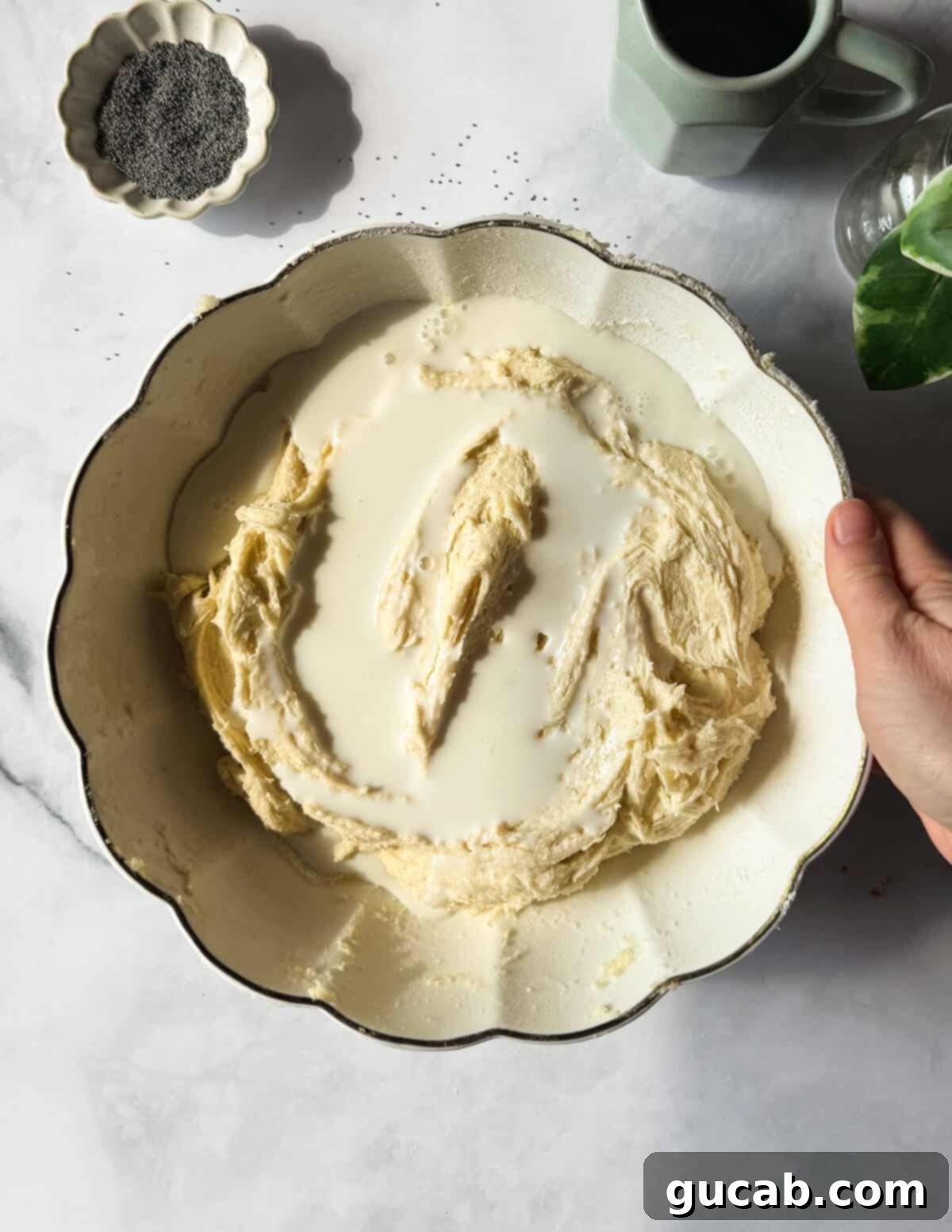
- Add the wet ingredients: First, add the lemon juice, then the whole milk, beating until each is fully incorporated. The lemon juice and milk add moisture and tanginess to the cake, creating that signature lemon poppyseed flavor.
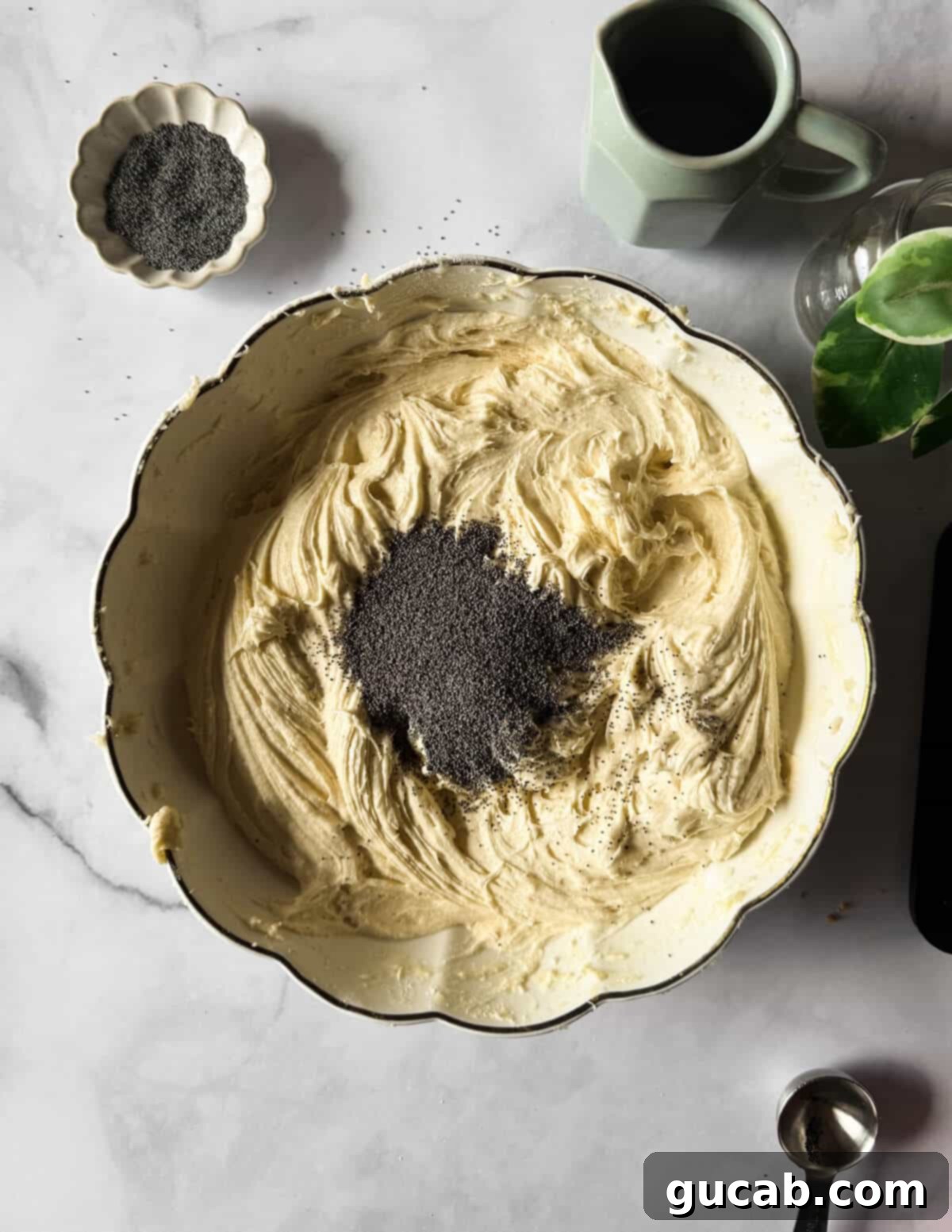
- Add the poppyseeds: Incorporate the poppyseeds and mix just until evenly distributed. Be careful not to overmix.
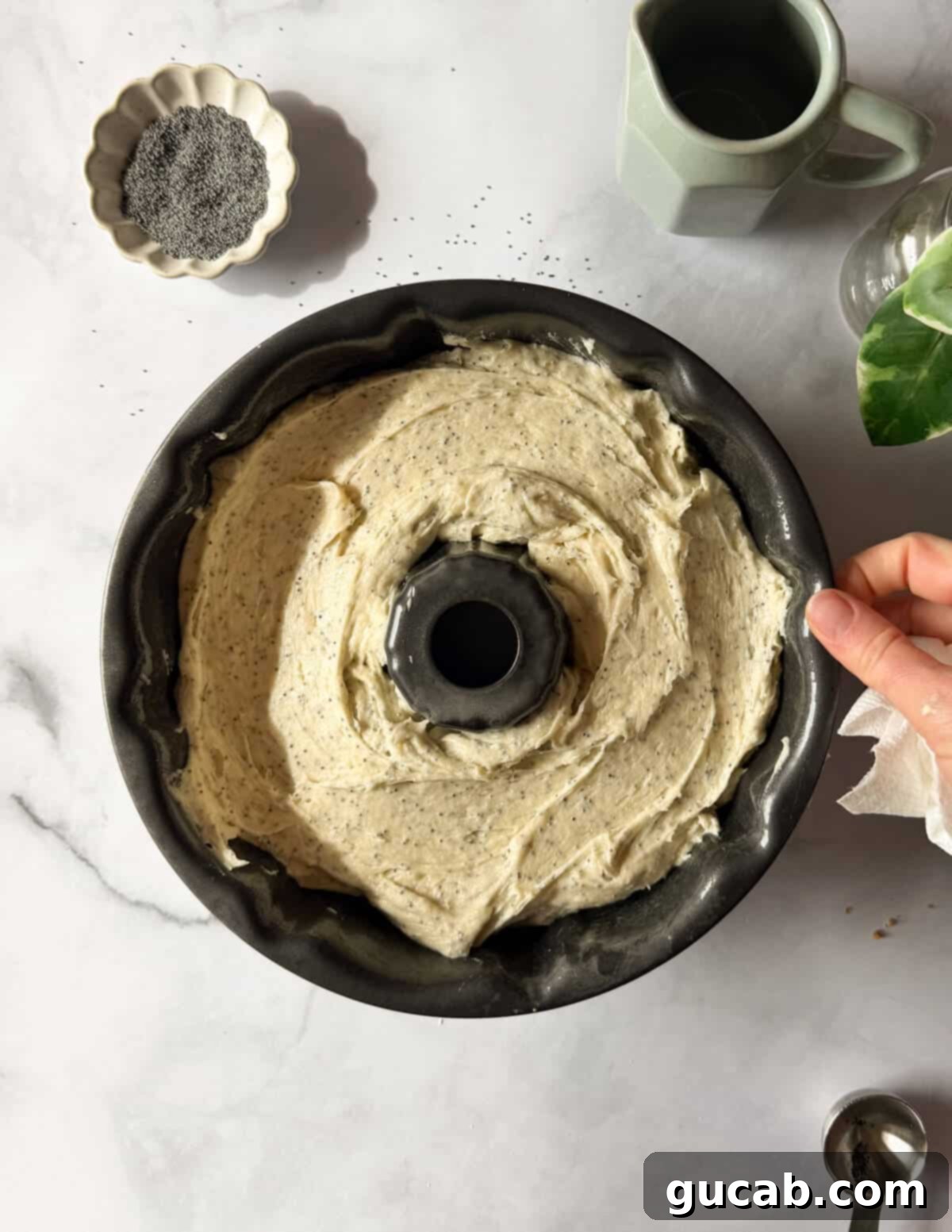
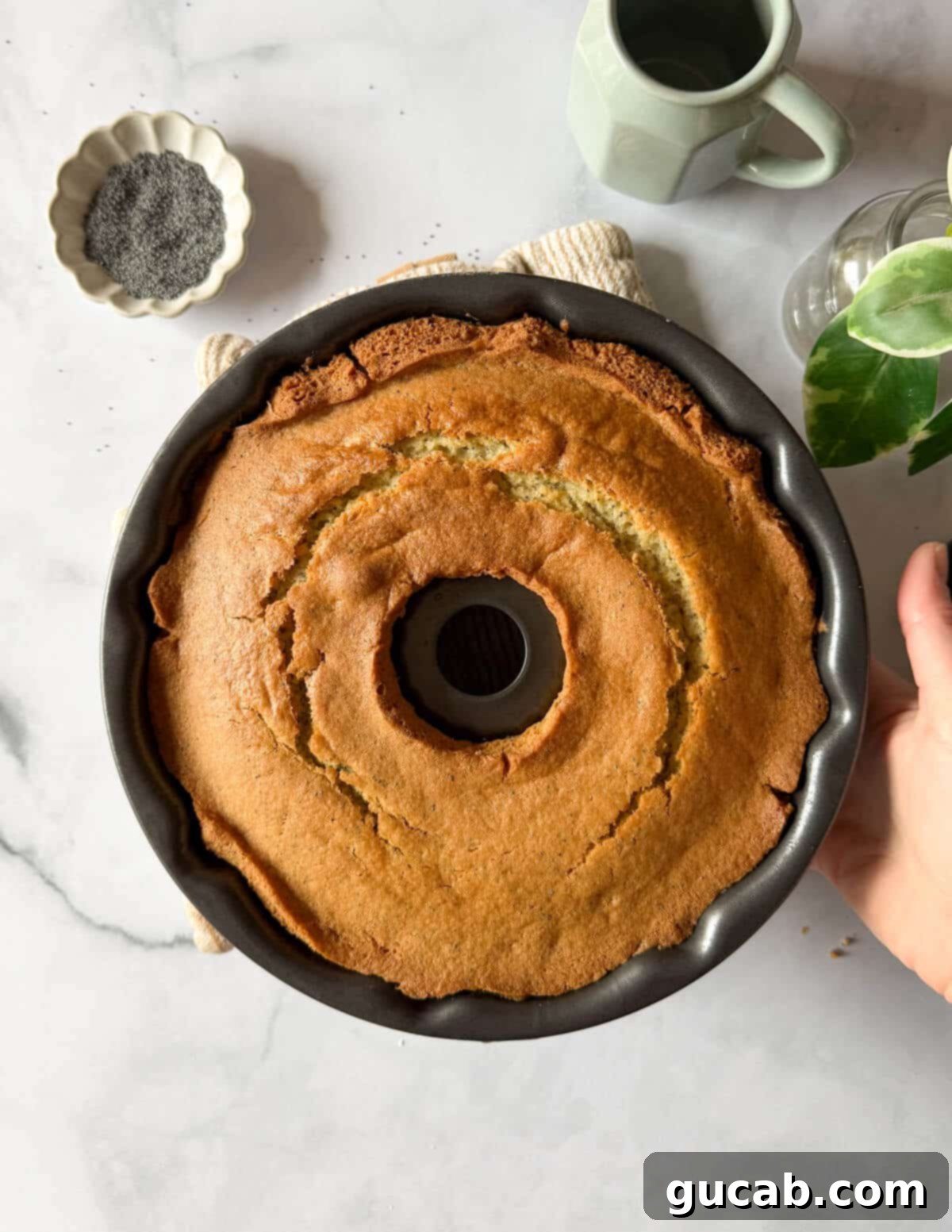
- Transfer to pan and bake: Transfer the cake batter to a greased and floured bundt pan (I recommend using a gluten-free flour for dusting), then bake in a preheated oven until a toothpick inserted into the center comes out clean. This usually takes around 43 minutes, but baking times may vary depending on your oven.
- Cool and glaze: Let the cake cool in the pan for a little while, then invert it onto a wire rack to cool completely. Place the wire rack over a sheet pan to catch any drips from the glaze.
Expert Baking Tips for Gluten-Free Success
Here are some expert tips to ensure your gluten-free lemon poppyseed cake turns out perfect every time:
- Don’t rush the egg whites: Make sure you fully incorporate the egg whites into the batter. It’s not enough to just mix them in and move on. The batter will look curdled at first, but keep mixing! You want the mixture to emulsify and look fluffy before you move on to the next step.
- Use the recommended flour: I highly recommend using the same brand of flour that I use in this recipe. Not just because it’s one of my favorites, but because gluten-free flour blends vary quite a bit in how they perform in recipes. Using the same flour will help ensure that you get the best possible results. If you do try a different blend, be sure it contains xanthan gum.
- Fresh is best: Use fresh lemons for the best flavor. Bottled lemon juice just won’t give you the same bright, vibrant taste, so save it for another recipe. Since lemon is a key ingredient here, fresh juice really makes a noticeable difference. Zest the lemons before juicing them to maximize the lemon flavor.
- Thick glaze: The glaze should be fairly thick so it coats the cake well. It might seem a bit too thick at first, but once you pour it over the cake, it will slowly flow down the sides and settle perfectly. If it’s too thin, add powdered sugar one tablespoon at a time until you reach the desired consistency.
How to Store Your Cake
Proper storage is essential to keep your gluten-free lemon poppyseed cake fresh and delicious.
- Cool completely: Never try to store a warm cake in a container! Allow the cake to cool completely before storing it.
- Room temperature storage: Once the cake is completely cool, slice it up and transfer the slices to a zip-top bag or airtight container. Store at room temperature for up to 3 days. To keep it even more moist, place a slice of bread in the container, and replace the bread every day.
- Freezing for longer storage: For longer storage, you can freeze the cake slices! The sooner you freeze the cake, the fresher the slices will be when you thaw them out. Transfer the cake slices to a zip-top freezer bag and freeze for up to 3 months. Make sure you squeeze out as much air as possible before sealing the bag to prevent freezer burn.
- Thawing instructions: Thaw the cake on the counter for at least 3 hours or thaw one slice in the microwave in 10-second increments until warm. Be careful not to overheat it in the microwave, or it may become dry.
More Delicious Gluten-Free Cake Recipes
Craving more gluten-free cake inspiration? Check out these other delicious recipes:
- Soft Gluten-Free Chocolate Cupcakes
- Gluten-Free Funfetti Cupcakes
- Gluten-Free Pistachio Cake
Gluten-Free Lemon Poppyseed Cake Recipe
Carolyn